Retail Store Cleaning Services : The Small Details Customers Always Notice
When you walk into a shop, you’re probably most focused on the products, the displays and finding what you’re looking for. How clean the store is isn’t usually something you consciously think about.
But you may notice some things. A sticky patch on the floor, fingerprints all over a glass display or a fitting room that looks like it hasn’t been cleaned for a long time. They’re only small things, but they can change how a customer views your retail store.
That’s what makes retail cleaning so interesting. It’s not always the big, obvious jobs that shape someone’s impression. Often, it’s the details that have the biggest impact.
Customers notice what interrupts their experience
To understand retail cleaning, you need to think about the customer experience.
When was the last time you saw a beautiful window display, only to find the glass covered in smudges? Or picked up a product from a shelf and noticed it was dusty? Neither of these things necessarily means the entire store is dirty. But those little moments create a disconnect between the experience the retailer is trying to deliver and what the customer actually encounters.
In a retail environment, customers interact with almost everything. They touch counters, browse shelves, try on clothes, use payment terminals and move through the same high-traffic areas throughout the day. That’s why good retail store cleaning services need to account for how people actually use the space, not simply how it looks when the doors first open.
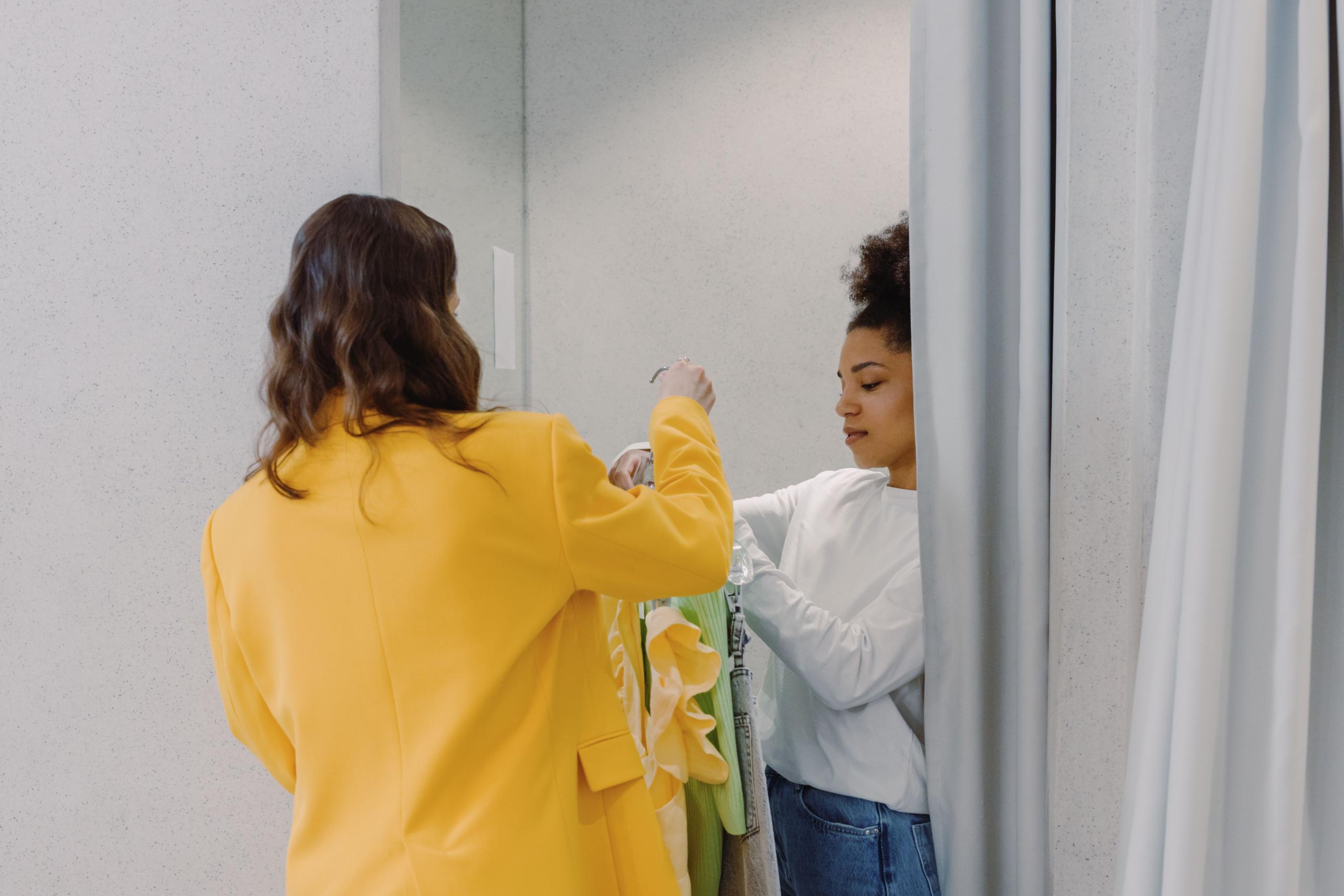
The fitting room tells a story
In fashion retail, fitting rooms are one of the most personal parts of the shopping experience. Customers are stepping into an extremely small space, often barefoot or in socks, surrounded by mirrors and bright lighting. A few clothing tags, dust along the skirting boards or marks on the mirror become much more noticeable here than they might elsewhere.
It’s also a place where customers tend to spend longer examining their surroundings. Cleaning teams can maintain the space after hours, but store staff also need to remedy issues between scheduled cleans.
Some areas work harder than others
Not every part of a retail store needs the same level of attention.
The entrance might be exposed to rain, dust and whatever customers bring in on their shoes. Checkout counters experience constant hand contact. Display tables are touched throughout the day, while corners behind fixtures might accumulate dust more slowly.
Treating every area exactly the same can mean spending time on surfaces that are already clean while overlooking the places that need regular attention. A better approach to this type of commercial cleaning should consider customer movement, store layout, trading hours and the type of merchandise being sold.
For example, a cosmetics retailer with testers and mirrors has very different cleaning needs than a homewares store with large furniture displays. The cleaning schedule should reflect that.
Clean shouldn’t mean inconvenient
There’s another detail customers notice: cleaning that’s happening at the wrong time.
A trolley of equipment blocking a narrow aisle, a strong chemical smell near a product display or wet floors around a busy checkout can interrupt the shopping experience. Of course, some cleaning needs to happen while a store is open. Spills can’t wait until closing time, and high-touch areas may need attention throughout the day. But it’s important how the work is managed.
Discreet equipment, appropriate products, clear communication with store teams and sensible scheduling can help maintain cleanliness without making customers feel they’re shopping around a cleaning operation.
The details behind the displays matter too
Retail presentation is often at eye level. But customers notice the condition of the space around the merchandise as well. Dust gathering along the base of shelving, dirty floor edges, marked door handles or neglected corners can make even a carefully merchandised store feel dirty.
A checklist helps, but it shouldn’t replace actually looking at the store. Has a promotional display been moved, exposing an area that hasn’t been cleaned recently? Has a new fixture created a difficult-to-reach corner? Is one entrance attracting more dirt than usual?
Retail spaces change constantly, so cleaning practices need to change with them.
A better shopping experience starts with the everyday details
Customers won’t leave a store talking about how spotless the skirting boards were. But the aim is to create an environment where nothing distracts from the customer experience. Products look their best, customers feel comfortable, and staff can focus on serving people rather than dealing with avoidable cleaning issues.
At United Trolley Collections (UTC), we understand that maintaining a retail environment involves much more than making it look presentable at opening time. Retail and shopping centre cleaning is about the ongoing details, the demands of busy trading periods and the practical realities of keeping customer-facing spaces clean.
Talk to UTC about cleaning services that work around your store, your customers and the way your business operates.